Rikki-Tikki-Tavi PDF: A Comprehensive Guide (Updated 04/07/2026)
Today’s date is 04/07/2026. This guide provides resources for accessing Rudyard Kipling’s classic tale, “Rikki-Tikki-Tavi,” in PDF format, offering convenient reading and educational opportunities.
Numerous online platforms, like Penny Magic and Project Gutenberg, offer downloadable PDFs, alongside options for online reading, ensuring accessibility for all readers.
Explore selections from The Kipling Reader and discover how easily you can obtain this beloved story, originally published in 1865, for personal or academic use.
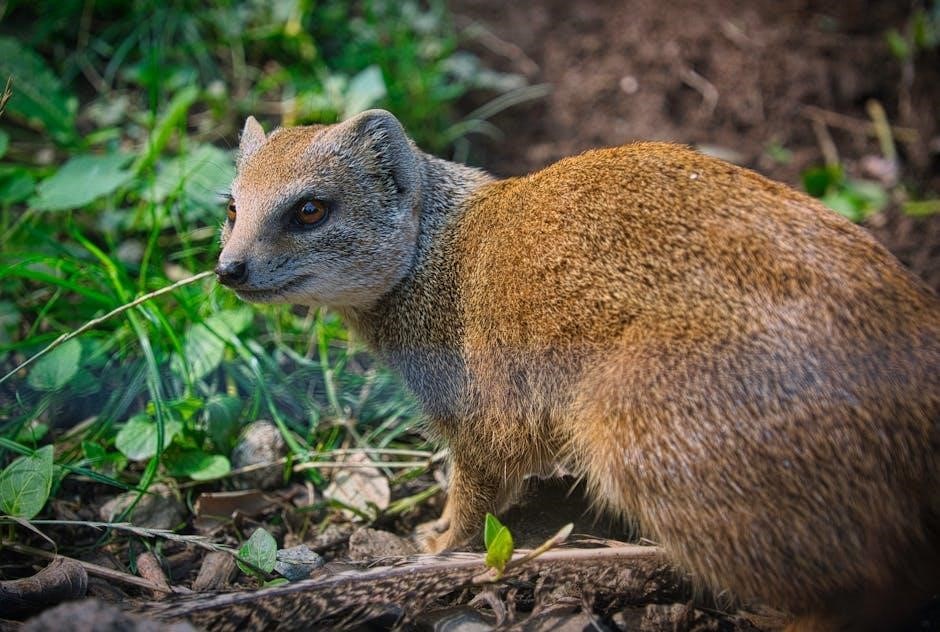
Rudyard Kipling’s “Rikki-Tikki-Tavi” is a captivating short story, originally featured within The Jungle Book collection, and continues to enchant readers of all ages. The narrative centers around a brave young mongoose, Rikki-Tikki-Tavi, who forms an unlikely bond with a British family residing in India.
This tale is a thrilling adventure, brimming with suspense as Rikki-Tikki-Tavi confronts the menacing cobras, Nag and Nagaina, who pose a threat to the family and the surrounding garden. The story beautifully illustrates themes of courage, loyalty, and the eternal struggle between good and evil.
Finding the story in PDF format allows for easy access and portability, making it ideal for educational purposes, personal reading, or sharing with others. Numerous sources, detailed later in this guide, provide free and convenient downloads of this timeless classic.
The enduring popularity of “Rikki-Tikki-Tavi” stems from its compelling characters and universal themes, solidifying its place as a literary staple.
The Story’s Origin: Rudyard Kipling and The Jungle Book
Rudyard Kipling, born in 1865, was a celebrated English author and poet, renowned for his literary contributions, particularly those centered around British India. “Rikki-Tikki-Tavi” first appeared in 1893 as part of his acclaimed collection, The Jungle Book, alongside other iconic tales like “The Jungle Book: Rikki-tikki-tavi”.
Kipling drew inspiration from Indian folklore and his own experiences growing up in colonial India, imbuing his stories with vivid imagery and compelling narratives. The Jungle Book aimed to impart moral lessons through engaging animal fables, captivating young readers and adults alike.
The story’s enduring appeal has led to numerous adaptations, including animated films and educational materials, often available in PDF format for convenient access. Exploring the origins of “Rikki-Tikki-Tavi” enhances appreciation for Kipling’s artistry and the cultural context of his work.
Understanding its place within The Jungle Book provides a richer understanding of the story’s themes and significance.
Availability of Rikki-Tikki-Tavi as a PDF
“Rikki-Tikki-Tavi” in PDF format is widely accessible online, catering to diverse reading preferences and educational needs. Several websites specialize in providing free downloadable PDFs of classic literature, including this beloved Kipling story. Platforms like Penny Magic offer printable versions, ideal for classroom use or personal enjoyment.
Project Gutenberg, a renowned digital library, also hosts the story, allowing readers to access it online or download it as a PDF. Furthermore, various school library editions, such as the Chuck Jones Associates version from 1982, are available in digital formats.
The ease of access to the PDF version ensures that Kipling’s tale remains readily available to a broad audience, fostering literacy and appreciation for classic literature. These resources provide convenient and cost-effective ways to experience this timeless story.
Finding and Downloading the PDF
Locating the “Rikki-Tikki-Tavi” PDF is straightforward; explore Penny Magic, Project Gutenberg, and other websites offering free downloads for convenient access today!
Penny Magic and Free Printable PDFs
Penny Magic presents a delightful resource for obtaining a free, printable PDF version of Rudyard Kipling’s “Rikki-Tikki-Tavi.” This website specializes in literary and speculative fiction, offering a straightforward method for downloading the story directly to your device.
To access the PDF, users are simply prompted to enter their email address and click a button to initiate the download process. This makes it incredibly easy and accessible for educators, students, or anyone wishing to enjoy this classic tale offline.
The PDF provided by Penny Magic is formatted for easy reading and printing, making it ideal for classroom use or personal enjoyment. It’s a quick and reliable way to acquire a digital copy of “Rikki-Tikki-Tavi” without any cost or complicated procedures.
Project Gutenberg and Online Reading Options
Project Gutenberg offers “Rikki-Tikki-Tavi” as part of its extensive collection of free eBooks, including selections from The Kipling Reader. This provides access to the story in multiple formats, including plain text (.txt), suitable for various devices and reading preferences.
Beyond downloadable PDFs, Project Gutenberg also allows users to read “Rikki-Tikki-Tavi” directly online through its web browser interface. This eliminates the need for downloads and is perfect for quick access or reading on the go.
The online reading option is particularly convenient for those who prefer not to store files or who want to access the story from different locations. Project Gutenberg’s commitment to free and open access ensures that Kipling’s classic remains readily available to a global audience.
Other Websites Offering Rikki-Tikki-Tavi PDFs
While Project Gutenberg and Penny Magic are excellent resources, several other websites provide access to “Rikki-Tikki-Tavi” in PDF format. A broader online search reveals various educational websites and online libraries hosting the story for free download.
These platforms often offer PDFs alongside other resources like study guides, comprehension questions, and character analyses, making them valuable for students and educators. However, it’s crucial to verify the source’s legitimacy and ensure the PDF is free from malware or viruses before downloading.
Always prioritize reputable websites and exercise caution when downloading files from unfamiliar sources. Exploring these diverse options expands access to Kipling’s timeless tale, catering to different learning styles and preferences.
Understanding the Story
“Rikki-Tikki-Tavi” centers on a brave mongoose defending a family from the deadly cobras, Nag and Nagaina, showcasing a thrilling battle for survival.
The Central Conflict: Rikki-Tikki-Tavi vs. Nag and Nagaina

The core of “Rikki-Tikki-Tavi” lies in the escalating conflict between the courageous mongoose and the menacing cobra pair, Nag and Nagaina. This isn’t merely a struggle for dominance; it’s a fight for the safety and well-being of the human family who unknowingly harbor these dangerous creatures within their garden.
Nag and Nagaina represent a primal threat, embodying the dangers of the wild encroaching upon the domestic sphere. Rikki-Tikki-Tavi, as a natural predator of snakes, instinctively recognizes this danger and accepts the responsibility of protecting his adopted human family. The tension builds as Rikki-Tikki-Tavi challenges the cobras’ authority, disrupting their established control over the garden and sparking a series of increasingly perilous encounters.
The conflict is further complicated by the cobras’ cunning and Nagaina’s protective maternal instincts, making them formidable adversaries. Ultimately, the story culminates in a dramatic showdown where Rikki-Tikki-Tavi must utilize all his bravery and skill to eliminate the threat posed by Nag and Nagaina, securing the family’s safety and restoring peace to the garden.
Rikki-Tikki-Tavi as a Hero
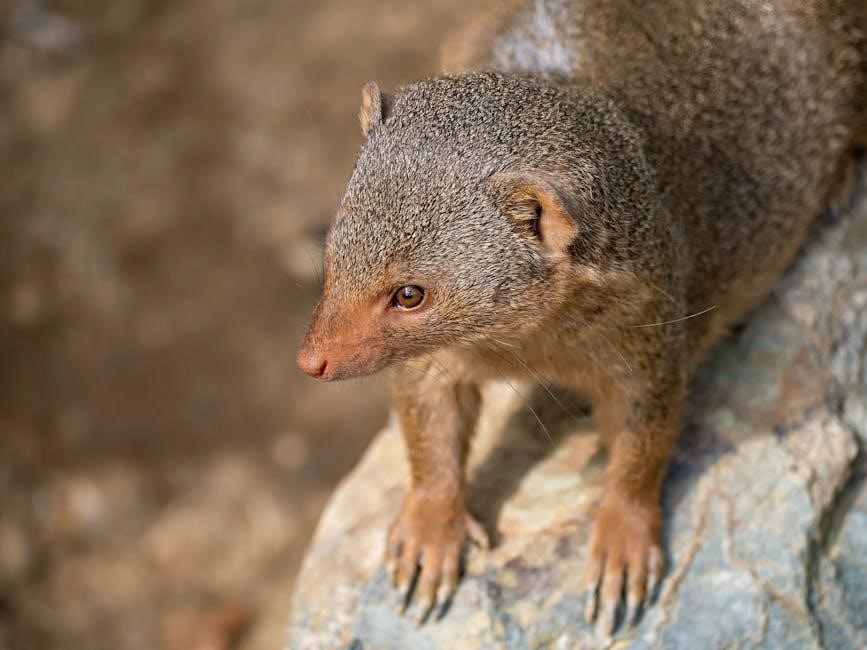
Rikki-Tikki-Tavi embodies the archetype of the unlikely hero. Washed into the garden by a flood, this small mongoose quickly demonstrates extraordinary courage and unwavering loyalty, transforming from a vulnerable creature into a fierce protector. He doesn’t seek heroism; it’s thrust upon him by the inherent danger posed by Nag and Nagaina.
His heroism isn’t defined by grand gestures, but by consistent acts of bravery and quick thinking. Rikki-Tikki-Tavi’s relentless pursuit of the cobras, despite their size and venom, showcases his determination. He utilizes his natural instincts and agility to outwit and overcome his adversaries, prioritizing the safety of the human family above his own well-being.
Ultimately, Rikki-Tikki-Tavi’s triumph isn’t just a victory over evil, but a testament to the power of courage, resourcefulness, and the unwavering defense of those he cares for, solidifying his status as a true hero within Kipling’s narrative.
The Role of the Human Family in the Story
The human family serves as both beneficiaries and catalysts within “Rikki-Tikki-Tavi.” Initially, they represent safety and nurture for the young mongoose, providing him with food, shelter, and affection. Their presence establishes a domestic setting contrasting sharply with the wild dangers lurking within the garden.
However, their unawareness of the cobra threat necessitates Rikki-Tikki-Tavi’s protection. They are largely oblivious to the constant peril, making the mongoose’s vigilance crucial for their survival. The family’s innocent enjoyment of their garden underscores the gravity of the danger Rikki-Tikki-Tavi confronts.
Their affection for Rikki-Tikki-Tavi, particularly young Teddy, fuels his protective instincts. The family’s unwitting reliance on the mongoose highlights the interconnectedness between humans and the natural world, and the responsibility that comes with it.

Characters in Detail
Explore the key players! This section delves into the personalities and motivations of Rikki-Tikki-Tavi, Nag, Nagaina, Teddy’s family, Darzee, and Chuchundra.
Rikki-Tikki-Tavi: The Brave Mongoose
Rikki-Tikki-Tavi embodies courage and quick thinking. Washed into the garden during a monsoon, this young mongoose quickly adapts and demonstrates remarkable bravery, becoming the protector of the human family.
He’s not merely a predator; he’s a hero driven by instinct and a growing affection for those he defends. His agility and natural mongoose skills are crucial in his battles against the sinister cobras, Nag and Nagaina.
Rikki-Tikki-Tavi’s character arc showcases his development from a curious newcomer to a confident guardian, mastering the garden’s landscape and understanding the dangers lurking within. He represents the power of small creatures to overcome significant threats, a central theme explored within the story’s narrative.
His relentless pursuit of protecting the family highlights his unwavering loyalty and bravery, solidifying his status as a beloved literary hero.
Nag and Nagaina: The Cobra Villains
Nag and Nagaina represent the primary antagonistic force in “Rikki-Tikki-Tavi.” These cobras are cunning, menacing, and harbor a deep-seated hatred for humans, viewing the family and their home as an intrusion upon their territory;
Nag, the larger of the two, is a powerful and aggressive snake, while Nagaina is equally dangerous, possessing a particularly venomous nature and a fierce protectiveness towards her eggs. Their sinister plot to eliminate the human family drives the central conflict.
They embody the dangers of the wild and the constant threat lurking beneath the surface of the seemingly peaceful garden. Their attempts to outwit and overpower Rikki-Tikki-Tavi create a thrilling and suspenseful narrative, showcasing the battle between good and evil.

Their ultimate defeat symbolizes the triumph of courage and protection over malice and destruction.
Teddy and His Family: The Beneficiaries of Rikki-Tikki-Tavi’s Courage
Teddy and his parents represent innocence and vulnerability within the story’s setting. They are largely unaware of the constant danger posed by Nag and Nagaina, relying on the garden’s beauty without recognizing the lurking threat beneath.
Their presence establishes the stakes of Rikki-Tikki-Tavi’s conflict; his bravery directly ensures their safety and well-being. The family’s kindness towards Rikki-Tikki-Tavi, accepting him into their home, creates a bond of loyalty and protection;
They symbolize the human world’s dependence on the natural world for safety, even if that safety is provided by a creature often feared. Their gratitude towards Rikki-Tikki-Tavi highlights the theme of reciprocal relationships.
Ultimately, they are the recipients of a mongoose’s unwavering courage.
Darzee, the Tailorbird: An Ally to Rikki-Tikki-Tavi
Darzee, the small tailorbird, serves as a crucial informant and companion to Rikki-Tikki-Tavi throughout the narrative. Initially hesitant and fearful, Darzee provides vital intelligence regarding Nag and Nagaina’s movements and plans, aiding Rikki-Tikki-Tavi’s strategic efforts.
His wife assists, too, though initially distraught over the loss of their eggs, Darzee’s loyalty to Rikki-Tikki-Tavi grows as he witnesses the mongoose’s bravery and dedication to protecting the family.
Darzee’s aerial perspective allows him to observe the garden from a vantage point inaccessible to Rikki-Tikki-Tavi, making his observations invaluable. He represents the power of collaboration and the importance of seeking help from unexpected sources.
Darzee’s character underscores the interconnectedness of the garden’s inhabitants.
Chuchundra, the Musk Rat: A Source of Information
Chuchundra, the musk rat, embodies caution and fear, yet provides Rikki-Tikki-Tavi with essential knowledge about the dangers lurking within the garden. He is depicted as a timid creature, constantly warning Rikki-Tikki-Tavi about the deadly nature of Nag and Nagaina, and the risks associated with confronting them.
Though lacking Rikki-Tikki-Tavi’s courage, Chuchundra’s detailed descriptions of the snakes’ habits and hiding places prove invaluable to the mongoose’s strategy.
His warnings, while often delivered with trepidation, highlight the ever-present threat posed by the cobras and emphasize the importance of vigilance. Chuchundra’s character serves as a foil to Rikki-Tikki-Tavi’s bravery.
He represents the instinctive fear that exists within the natural world.
Themes Explored in Rikki-Tikki-Tavi
Kipling’s story masterfully explores universal themes of courage, good versus evil, the power of instinct, and unwavering protection and loyalty within a natural setting.
Courage and Bravery
Rikki-Tikki-Tavi embodies exceptional courage and bravery throughout the narrative. Despite being a young mongoose, he fearlessly confronts the menacing cobras, Nag and Nagaina, demonstrating remarkable resilience and determination.
His willingness to protect the human family, particularly young Teddy, showcases a selfless heroism that transcends his natural instincts. The story highlights how courage isn’t the absence of fear, but acting despite it.
Rikki-Tikki-Tavi’s bravery isn’t reckless; it’s calculated and strategic, utilizing his agility and cunning to overcome larger, more dangerous adversaries. This theme resonates powerfully, especially when considering the PDF’s use in educational settings to inspire similar qualities in readers.
The downloadable PDF allows students to analyze specific passages illustrating Rikki-Tikki-Tavi’s heroic actions, fostering a deeper understanding of this central theme.
Good vs. Evil
The conflict between Rikki-Tikki-Tavi and Nag and Nagaina starkly represents the classic struggle between good and evil. Rikki-Tikki-Tavi, a protector of the innocent, embodies goodness, while the cobras symbolize malice and danger to the human family.
This thematic opposition is central to the story’s appeal and provides a clear moral framework for young readers. The PDF format facilitates close reading and analysis of how Kipling portrays these opposing forces.
The cobras’ intent to harm Teddy underscores the evil they represent, contrasting sharply with Rikki-Tikki-Tavi’s unwavering dedication to safeguarding him. Exploring this duality through the accessible PDF enhances comprehension.
Educational use of the PDF allows for discussions on moral choices and the importance of standing up against evil, reinforcing the story’s enduring message.
The Natural World and Instinct
Kipling’s “Rikki-Tikki-Tavi” vividly portrays the power of the natural world and the driving force of instinct. The story emphasizes how animals operate on primal urges – survival, protection of territory, and fulfilling their inherent roles within the ecosystem.
Rikki-Tikki-Tavi’s mongoose instincts are paramount; his bravery and hunting skills are not learned but ingrained. Accessing the story via PDF allows focused study of descriptions detailing these natural behaviors.
The garden setting itself is a microcosm of the wild, where the human world intersects with the untamed instincts of creatures like snakes and mongooses. The PDF format aids in analyzing this interplay.
Educational applications of the PDF can explore how instinct shapes animal behavior and the delicate balance within natural environments, fostering ecological awareness.
Protection and Loyalty
“Rikki-Tikki-Tavi” profoundly explores themes of protection and loyalty, central to the narrative’s emotional core. Rikki-Tikki-Tavi demonstrates unwavering loyalty to the human family who sheltered him, reciprocating their kindness with fierce protection against the cobra threat.
The PDF version of the story facilitates close reading of passages highlighting Rikki-Tikki-Tavi’s dedication and courage, showcasing his instinctive drive to safeguard those he cares for.
Darzee, the tailorbird, also exhibits loyalty, providing crucial information to Rikki-Tikki-Tavi, aiding in his battle against Nag and Nagaina. The PDF allows detailed examination of these alliances.
Educational use of the PDF can prompt discussions on the importance of loyalty, courage, and the bonds formed through mutual protection, enriching comprehension and character analysis.

Analyzing the Text
The PDF format enables detailed textual analysis, uncovering symbolism within the garden setting and the snake characters, alongside impactful quotes from Kipling’s narrative.
Key Quotes from Rikki-Tikki-Tavi
Examining key quotes within the PDF version of “Rikki-Tikki-Tavi” illuminates the story’s core themes and character motivations. A pivotal line, “Now, if I kill him here, Nagaina will know; and if I fight him on the open floor, the odds are in his favour. What am I to do?” reveals Rikki-Tikki-Tavi’s strategic thinking.
This quote, sourced from The Kipling Reader, showcases the mongoose’s bravery coupled with calculated risk assessment. Further analysis of dialogue highlights the tension between Rikki-Tikki-Tavi and the cobra duo, Nag and Nagaina. The PDF’s searchable format allows for easy identification of these impactful passages.
These quotes demonstrate Kipling’s masterful storytelling and provide valuable insights for educational discussions and literary analysis, enhancing comprehension of the narrative’s depth.
Symbolism in the Story (e.g., the garden, the snakes)
Analyzing the PDF of “Rikki-Tikki-Tavi” reveals rich symbolism woven throughout the narrative. The garden itself represents a microcosm of the natural world, a contained space where the struggle for survival unfolds. The lush vegetation provides both cover and danger, mirroring life’s complexities.
Snakes, particularly Nag and Nagaina, symbolize primal evil and threat, embodying the dangers lurking beneath a seemingly peaceful surface. Rikki-Tikki-Tavi, as a mongoose, symbolizes courage, protection, and the triumph of good over evil.
Accessing the story via PDF facilitates close reading, allowing readers to identify and interpret these symbolic elements, deepening their understanding of Kipling’s message and artistic intent.
The Story’s Setting and its Importance
The setting of “Rikki-Tikki-Tavi,” readily available in PDF format, is crucial to understanding the narrative’s themes. Kipling meticulously crafts a detailed depiction of a colonial Indian garden, a space representing both paradise and peril. This environment isn’t merely a backdrop; it actively shapes the conflict between Rikki-Tikki-Tavi and the snakes.
The garden’s blend of cultivated beauty and untamed wilderness mirrors the tension between human order and natural instinct. Accessing the story through a PDF allows for focused analysis of Kipling’s descriptive language, highlighting how the setting amplifies the story’s suspense and symbolic weight.
The PDF format encourages revisiting key passages to fully appreciate the setting’s significance.
Educational Uses of the PDF
The readily available PDF enhances classroom learning, facilitating reading comprehension exercises and stimulating insightful discussions about courage, loyalty, and the natural world.
Rikki-Tikki-Tavi in School Curricula
Rudyard Kipling’s “Rikki-Tikki-Tavi” frequently appears in middle school English Language Arts curricula, offering a compelling narrative for exploring various literary elements. The accessible PDF format streamlines integration into lesson plans, allowing teachers to easily distribute the story for in-class reading and homework assignments.
Its relatively short length makes it ideal for focused analysis, while the engaging plot captivates students. Educators utilize the story to teach themes of bravery, good versus evil, and the delicate balance within ecosystems. The PDF’s text is perfect for annotation exercises, encouraging students to identify key quotes and analyze character motivations.
Furthermore, “Rikki-Tikki-Tavi” provides a springboard for discussions about cultural context, considering Kipling’s perspective and the story’s origins within The Jungle Book collection. The availability of free PDFs, like those from Project Gutenberg, reduces financial barriers to accessing quality literature in educational settings.
Using the PDF for Reading Comprehension Exercises
The readily available “Rikki-Tikki-Tavi” PDF lends itself exceptionally well to reading comprehension exercises across various grade levels. Teachers can easily create worksheets focusing on plot recall, character analysis, and identifying the central conflict between Rikki-Tikki-Tavi and the cobras, Nag and Nagaina.
The digital format allows for interactive activities, such as highlighting key passages, annotating character traits, and completing fill-in-the-blank exercises directly within the PDF. Questions can target understanding of symbolism, like the significance of the garden setting, and the story’s exploration of themes like courage and loyalty.
Furthermore, the PDF facilitates differentiated instruction, enabling educators to tailor exercises to meet individual student needs. Utilizing the text from sources like Penny Magic or Project Gutenberg ensures consistent access for all learners, fostering improved reading skills and critical thinking abilities.
Discussion Questions for Rikki-Tikki-Tavi
Utilizing the “Rikki-Tikki-Tavi” PDF as a springboard for discussion encourages deeper engagement with Kipling’s narrative. Questions could explore Rikki-Tikki-Tavi’s motivations – why does he risk his life to protect the family? – and analyze the portrayal of good versus evil embodied by the mongoose and the snakes.
Consider prompting students to debate the role of instinct versus learned behavior in Rikki-Tikki-Tavi’s actions, referencing specific passages from the text. Discussions can also center on the human family’s impact on the story; are they active participants or merely beneficiaries of Rikki-Tikki-Tavi’s bravery?
Exploring the story’s setting and its symbolic weight – what does the garden represent? – further enriches understanding. Analyzing key quotes, like Rikki-Tikki-Tavi’s internal monologue about facing Nag, fosters critical thinking and textual analysis skills.