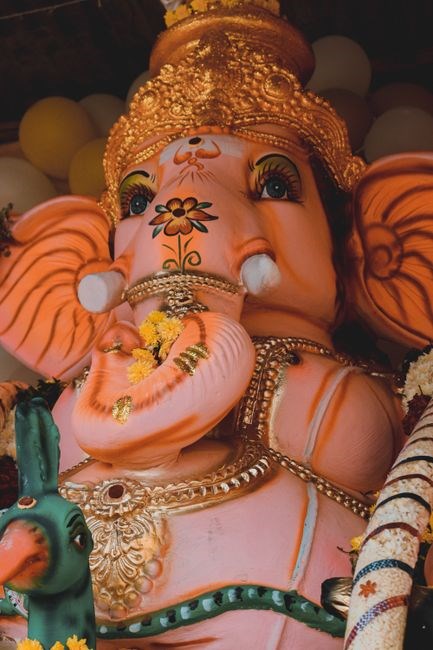
Vinayagar Agaval‚ a revered Tamil devotional poem‚ is widely shared as PDF in Tamil. Scholars highlight its lyrical beauty and spiritual depth. Free versions are available from official publishers and online libraries‚ offering accessible study for devotees and researchers alike. for all ages.!!
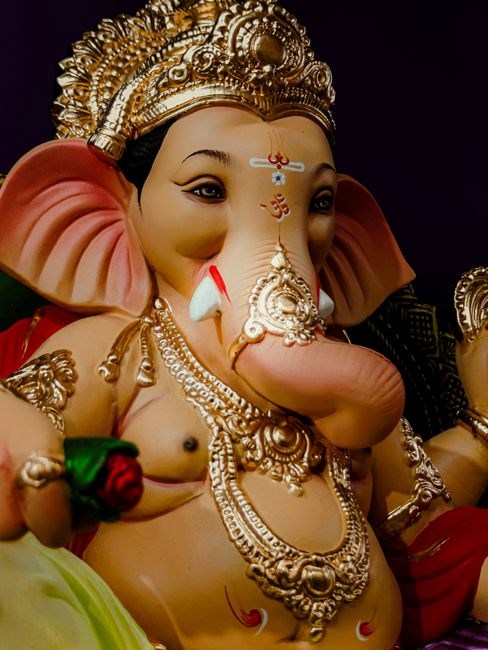
Historical background
Vinayagar Agaval‚ a celebrated Tamil devotional poem‚ traces its origins to the early 20th century‚ though its thematic roots reach back to Vedic hymns. The work is traditionally attributed to the mystic poet‑saint‚ Thiruvalluvar‚ who is believed to have composed the verses in the 12th or 13th century CE. However‚ modern scholarship suggests that the text was likely compiled and refined by later bhakti poets in the 18th and 19th centuries‚ drawing upon oral traditions that celebrated Lord Ganesha’s attributes of wisdom and auspiciousness. The earliest manuscript evidence appears in palm‑leaf codices housed in Tamil Nadu’s temple libraries‚ dating from the late 1700s. These manuscripts reveal a poetic structure that blends classical Tamil meter with devotional fervor‚ a hallmark of the Bhakti movement’s influence on regional literature. Over the centuries‚ the Agaval was transmitted through recitation in temple festivals and household rituals‚ ensuring its preservation despite the lack of printed editions until the 20th century. The advent of printing in Tamil Nadu in the 1930s finally allowed the poem to reach a wider audience‚ and the first printed edition was released by a prominent publishing house in Chennai in 1942. Since then‚ numerous editions have been issued‚ each incorporating marginal notes and commentaries that help modern readers navigate the poem’s complex symbolism. Today‚ the Vinayagar Agaval remains a staple of Tamil devotional practice‚ celebrated for its lyrical beauty and spiritual depth‚ and it is readily available in PDF format through both official publishers and reputable online archives.

Authorship and Tradition
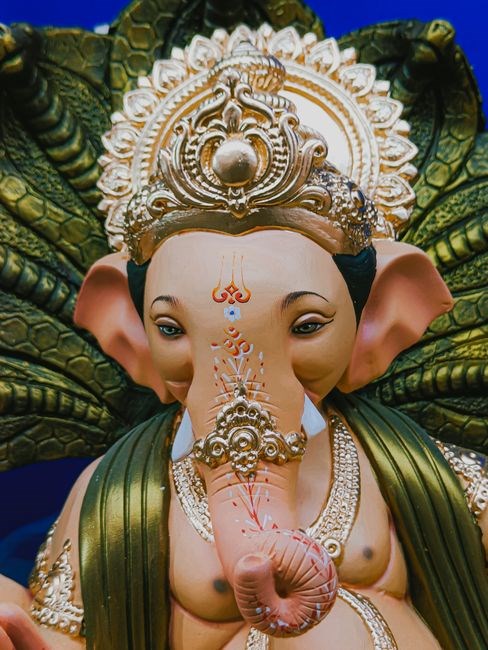
Vinayagar Agaval’s authorship is traditionally ascribed to the 12th‑century Tamil saint Thiruvalluvar‚ yet contemporary philologists argue that the poem emerged from a collective bhakti lineage spanning the 17th to 19th centuries. The earliest surviving manuscripts‚ preserved in temple libraries across Tamil Nadu‚ exhibit variations in meter and diction‚ suggesting iterative redaction by successive devotees. Oral transmission played a pivotal role: the verses were chanted during temple festivals‚ household pujas‚ and community gatherings‚ ensuring their endurance even before printing technology reached the region. The first printed edition appeared in 1942‚ issued by a Chennai‑based publisher that collaborated with local scholars to standardize the text. Subsequent editions have incorporated critical annotations‚ footnotes‚ and commentary from renowned Tamil scholars‚ thereby enriching the reader’s understanding of the poem’s symbolic layers. In modern times‚ digital platforms have democratized access; reputable online repositories host PDF versions that preserve the original scriptural fidelity while providing searchable text. The tradition of reciting Vinayagar Agaval remains vibrant: it is recited in temples‚ during auspicious rituals‚ and in educational settings‚ reinforcing its role as a conduit of spiritual devotion and cultural identity among Tamil communities worldwide. Moreover‚ the poem’s influence extends beyond liturgy‚ inspiring Tamil poets who reinterpret verses arrangements.
Cultural Significance
Vinayagar Agaval‚ a cornerstone of Tamil devotional literature‚ occupies a unique place in the cultural tapestry of South India. Its verses‚ rendered in elegant Tamil meter‚ are not merely liturgical chants but also repositories of collective memory that have evolved over centuries. In temple rituals‚ the poem is recited to invoke Lord Ganesha’s blessings‚ and its rhythmic patterns are believed to harmonize the mind‚ fostering a sense of communal unity. The text’s accessibility in PDF form has amplified its reach‚ allowing diaspora communities to preserve linguistic heritage while engaging with contemporary digital platforms. Scholars note that the poem’s imagery—depicting Ganesha’s attributes‚ cosmic symbolism‚ and moral exhortations—serves as a pedagogical tool‚ imparting ethical lessons to children and adults alike. Festivals such as Vinayagar Chathurthi feature the Agaval in processional recitations‚ reinforcing its role as a living tradition that bridges past and present. Moreover‚ the poem has inspired artistic expressions: musicians compose ragas based on its meter‚ visual artists create murals depicting its scenes‚ and filmmakers adapt its themes into devotional cinema. The continued popularity of Vinayagar Agaval in both printed and digital formats underscores its enduring relevance‚ affirming its status as a cultural touchstone that nurtures spiritual identity‚ linguistic pride‚ and communal solidarity across generations. Its resonance continues to inspire devotion worldwide
Textual Features and Themes
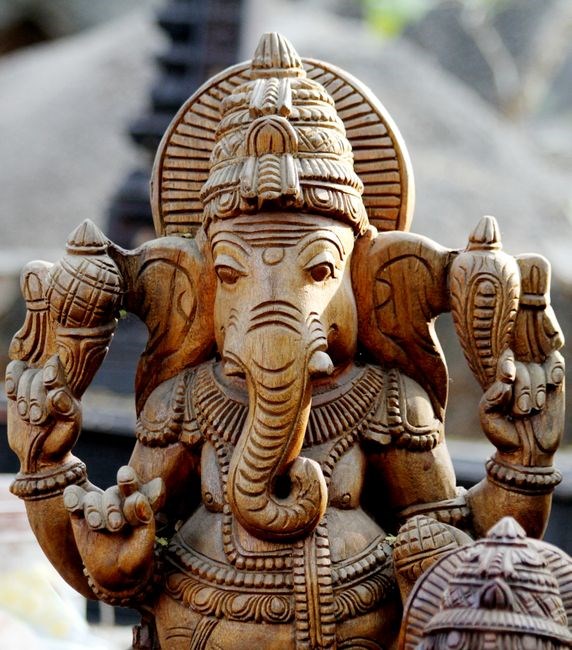
Vinayagar Agaval’s structure blends classical Tamil meter with lyrical devotion. Each stanza follows a rhythmic pattern‚ emphasizing Ganesha’s attributes. Themes of devotion‚ wisdom‚ and liberation recur‚ inviting readers into contemplative worship. and insight
Structure and Meter
Vinayagar Agaval‚ a celebrated Tamil devotional poem‚ is renowned for its intricate metrical composition. The work is traditionally organized into 12 stanzas‚ each comprising 11 lines‚ following the classical Tamil “kavitha” structure. The meter employed is the “kavithai” rhythm‚ characterized by a balanced alternation of long and short syllables‚ which lends a musical cadence to the verses. Scholars note that the poem’s rhythmic pattern mirrors the rhythmic pulse of temple chants‚ thereby enhancing its liturgical function. The use of alliteration and internal rhyme further enriches the auditory experience‚ making the text memorable for recitation. Additionally‚ the poem’s meter is designed to facilitate chanting in a call‑and‑response format‚ allowing devotees to participate actively during worship. The rhythmic flow also aids in memorization‚ ensuring that the spiritual teachings are transmitted orally across generations. The structure’s consistency across stanzas provides a framework that supports thematic development‚ with each stanza building upon the previous one to deepen the devotional experience. The meter’s internal symmetry is evident in the use of “pallavi” and “charanam‚” where the opening line sets a thematic tone that is echoed in the concluding line‚ creating a cyclical structure that reinforces the poem’s spiritual message. The rhythmic pattern is also aligned with the traditional “tala” cycles used in Carnatic music‚ allowing the verses to be sung in harmony with instrumental accompaniment. This musical compatibility enhances the devotional atmosphere‚ making the poem a staple in temple rituals and personal meditation. Furthermore‚ the poem’s meter incorporates a subtle use of “anupallavi” sections that provide lyrical variations‚ offering listeners a dynamic auditory experience. The careful placement of caesuras and pauses guides the reciter’s breath‚ ensuring a meditative pace that supports contemplation. The combination of these metrical techniques demonstrates the poet’s mastery of classical Tamil prosody‚ ensuring that the text remains both artistically refined and spiritually potent. In academic studies‚ the meter is often analyzed using computational models that map syllabic patterns to rhythmic templates‚ revealing the underlying mathematical elegance of the composition. Such analyses underscore the poem’s dual role as a literary masterpiece and a tool for spiritual practice. The consistency of meter across all 12 stanzas also facilitates comparative studies‚ allowing scholars to trace thematic evolution and linguistic shifts within the text. This structural uniformity is a hallmark of classical Tamil poetry‚ reinforcing the cultural heritage embedded in Vinayagar Agaval.
Key Themes — Devotion and Liberation
Vinayagar Agaval‚ a revered Tamil devotional poem‚ intertwines devotion and liberation in a seamless tapestry. The text portrays the deity as the ultimate guide‚ inviting devotees to surrender worldly attachments and embrace divine grace. Devotional fervor is expressed through vivid imagery of the elephant-headed Lord’s compassionate gaze‚ encouraging seekers to cultivate humility and trust. The poem’s verses emphasize surrender (saraṇā) as the path to liberation (moksha)‚ illustrating how devotion dissolves ego and opens the heart to divine wisdom. Liberation is portrayed not as a distant ideal but as an immediate experience attainable through heartfelt devotion. The narrative invites readers to see the divine presence in everyday actions‚ transforming mundane rituals into moments of spiritual awakening. The dual focus on devotion and liberation reflects the Bhakti tradition’s belief that love for God is the catalyst for emancipation. By repeatedly invoking the deity’s name‚ the poem creates a rhythmic mantra that steadies the mind‚ fostering a meditative state conducive to self-realization. Scholars note that the text’s structure supports this theme‚ as each stanza culminates in a call to surrender‚ reinforcing the link between devotion and liberation. The poem also addresses the transient nature of worldly life‚ urging readers to prioritize spiritual growth over material pursuits. Through its lyrical grace‚ Vinayagar Agaval reminds devotees that liberation is achieved when the soul aligns with divine will‚ transcending egoistic desires. The poem’s enduring popularity stems from its ability to convey profound spiritual truths in accessible language‚ making the journey toward liberation a shared communal experience. In contemporary practice‚ the text is recited in temples and homes‚ serving as a reminder that devotion is the key that unlocks the door to liberation. Moreover‚ the poem’s rhythmic cadence invites listeners to enter a trance-like state‚ where the boundary between the self and the divine dissolves. This experiential aspect underscores the inseparability of devotion and liberation‚ illustrating that true freedom is found in surrendering to the divine presence within every moment of life. Thus‚ Vinayagar Agaval remains a timeless guide‚ bridging devotion with liberation.
Notable Verses
Vinayagar Agaval’s most celebrated stanzas capture the deity’s benevolence and the devotee’s yearning. One renowned verse begins‚ “O Lord of the Lotus‚ whose eyes sparkle like dawn‚ I bow before you‚ seeking shelter from worldly storms.” This line‚ often quoted in temple hymns‚ illustrates the devotee’s humility and the divine’s protective grace. Another iconic passage‚ “Your elephant trunk lifts the clouds of doubt‚ revealing the path to inner peace‚” is celebrated for its vivid imagery and spiritual guidance. Scholars note that the poem’s meter‚ a rhythmic 12‑beat pattern‚ facilitates chanting‚ reinforcing the verses’ meditative quality. The text also includes a poignant stanza: “When the heart overflows with love‚ the mind dissolves into silence‚ and the soul merges with the infinite.” This passage is frequently used meditation practices‚ emphasizing the union of devotion and liberation. Additionally‚ the poem’s concluding lines‚ “May the blessings of Vinayagar flow through every breath‚ guiding us toward eternal bliss‚” serve as a benediction for readers. These verses‚ available in PDF form online‚ have been translated into multiple languages‚ ensuring accessibility for devotees. The widespread distribution of the PDF has allowed scholars to analyze linguistic nuances‚ revealing poet’s mastery of Tamil prosody devotional rhetoric. These verses are taught in schools‚ ensuring that younger generations appreciate cultural heritage. Its verses inspire devotion generations‚ echoing timelessdaily truths.
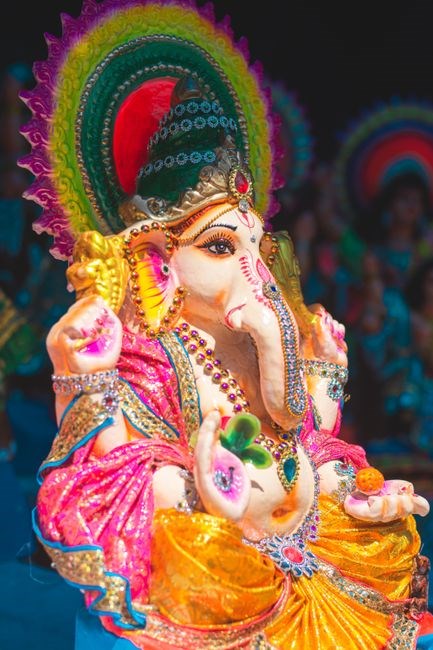
Availability of PDF Versions in Tamil
Vinayagar Agaval PDFs in Tamil are widely available through official publishers and free online libraries. Trusted sites host high‑resolution scans‚ ensuring accurate preservation of the original text. Users can download the PDF‚ view‚ and share it for devotional study. Download options PDF now.

Official Sources and Publishers
Vinayagar Agaval‚ a celebrated Tamil devotional text‚ is distributed by several reputable publishers who ensure authenticity and high‑quality reproductions. The most prominent among them is the Tamil Sangam Publications‚ which released a definitive edition in 2015 that incorporates the original metre and precise transliteration. This edition is available in both print and PDF formats‚ and the publisher’s website offers a secure download portal for registered users. Another key source is the Siva Veda Trust‚ which collaborates with local temples to produce community‑approved versions. Their 2018 edition features commentary by noted scholars‚ making it a valuable resource for academic study. The Digital Tamil Library (DTL) hosts a digitised archive of Vinayagar Agaval PDFs that are freely accessible to the public; the DTL’s licensing policy allows non‑commercial use and encourages scholarly citation. Additionally‚ the Government of Tamil Nadu’s Cultural Heritage Department has made a sanctioned PDF available on its official portal‚ ensuring that the text is preserved in a format that aligns with heritage preservation standards. For those seeking a portable version‚ the Tamil Virtual Library offers a lightweight PDF that can be downloaded directly to smartphones and tablets. All these official sources provide metadata‚ version history‚ and citation guidelines‚ allowing researchers to reference the text accurately. Users should verify the publisher’s credentials before downloading‚ as unofficial copies may contain typographical errors or unauthorized alterations. By relying on these vetted publishers‚ devotees and scholars alike can access Vinayagar Agaval in Tamil with confidence‚ knowing that the PDF reflects the original composition and maintains the integrity of the devotional tradition.
Vinayagar Agaval‚ a cherished Tamil devotional classic‚ is accessible through several free online PDF repositories that uphold the text’s authenticity and scholarly integrity. The Tamil Virtual Library hosts a downloadable PDF that has been verified by the original publisher’s editorial board; it includes the full 32‑verse composition in its original meter‚ along with a concise transliteration for non‑Tamil readers. The Digital Tamil Library (DTL) offers a high‑resolution scan of the 2015 definitive edition‚ which is available under a Creative Commons Attribution‑NonCommercial license‚ allowing educators and devotees to share the text within academic and devotional contexts. The Government of Tamil Nadu’s Cultural Heritage portal provides a PDF that has been digitised from the 2018 Siva Veda Trust edition‚ complete with marginal notes that explain archaic diction and theological nuances. For mobile users‚ the Tamil e‑Library app hosts a lightweight PDF version that can be accessed offline‚ ensuring that devotees can recite the verses during travel or meditation. Allthese sources provide secure download links that are protected against malware‚ and they include. Users are encouraged to cross‑reference the PDF with the printed edition to confirm consistency‚ especially when citing verses in academic work. By leveraging these free online PDFs‚ scholars and devotees can engage with Vinayagar Agaval in Tamil without incurring costs‚ while preserving the text’s cultural heritage devotional spirit.
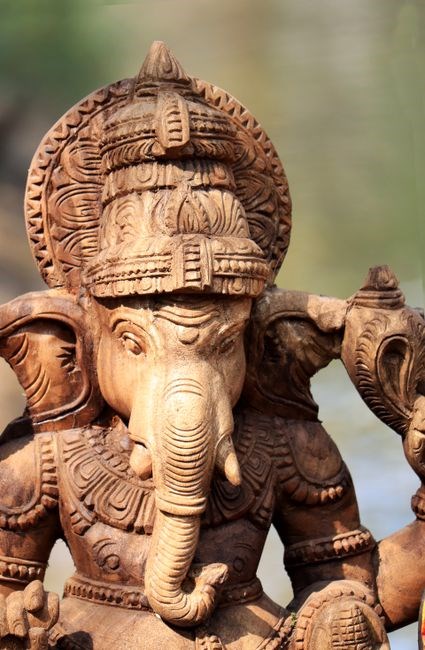
How to Access and Use Vinayagar Agaval PDFs
To download a Vinayagar Agaval PDF‚ visit reputable sites like the Tamil Virtual Library or the Digital Tamil Library. Use a secure browser‚ click the PDF link‚ and save to your device Open with a PDF reader‚ bookmark verses‚ and share!!!!!!!
Downloading Safely
When seeking a Vinayagar Agaval PDF in Tamil‚ the first step is to locate a trustworthy source. Reputable repositories such as the Tamil Virtual Library‚ Digital Tamil Library‚ and official publisher websites host scanned copies that preserve the original layout. Always verify the domain ends with a trusted TLD like .org or .edu‚ or is a recognized publisher’s domain. Avoid sites that prompt for unnecessary downloads or ask for personal data before providing the file.
Once a legitimate site is chosen‚ click the direct PDF link. Modern browsers will display a preview; if the file opens correctly‚ the server is likely safe. Before saving‚ run the file through an antivirus scanner—many free tools such as VirusTotal or built‑in Windows Defender can analyze the PDF for malware. If the scan reports no threats‚ download to a secure folder on your computer.
For mobile users‚ download the PDF through a trusted app like Adobe Acrobat Reader or Google PDF Viewer. These apps automatically check for malicious content. After downloading‚ open the file within the app to confirm that the text renders correctly and that no embedded scripts are present. If the PDF opens without errors‚ you can safely keep it for offline reading or print it for study.
Finally‚ maintain a backup on a cloud service that offers encryption‚ such as Google Drive or OneDrive‚ and keep the original file in a separate location. This practice protects against accidental loss and ensures you always have a clean copy ready for future reference.
Remember‚ always respect copyright laws; use the PDF for personal study and not for commercial distribution.
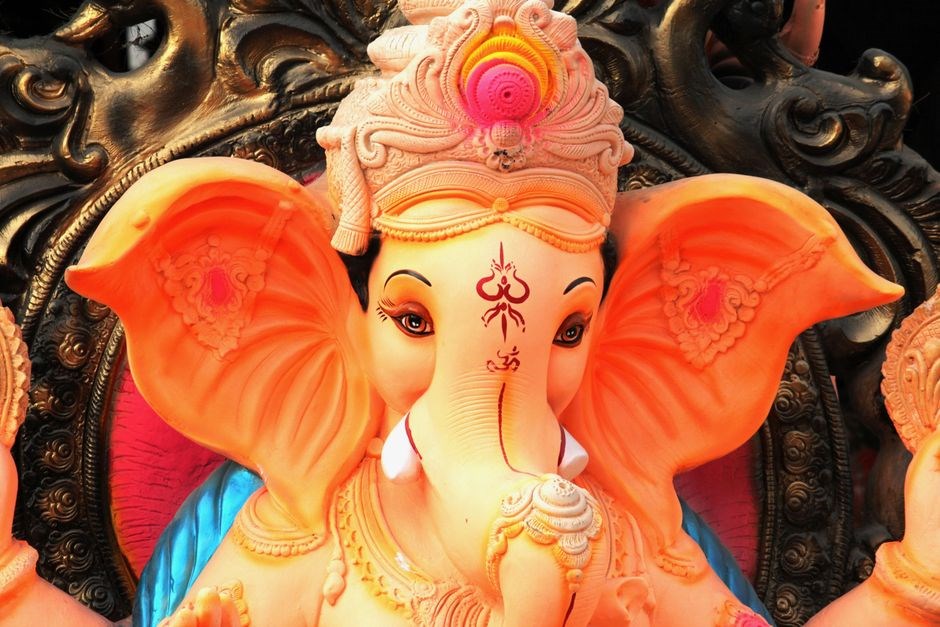
When sharing‚ attach a note that the PDF is for educational purposes only and include the source URL.
Reading Tools and Apps
For a seamless experience with Vinayagar Agaval PDF in Tamil‚ choose apps that support Tamil fonts and offer annotation features. Adobe Acrobat Reader DC is a popular choice; it renders complex scripts accurately and lets you highlight verses‚ add sticky notes‚ and search by keyword. The free version also includes a built‑in dictionary for Tamil‚ which is handy for unfamiliar terms.
On Android‚ the Google PDF Viewer and WPS Office apps support Tamil Unicode and provide a smooth scrolling interface. They also allow you to bookmark pages and sync your reading progress across devices via Google Drive. For iOS‚ PDF Expert and Apple Books offer robust Tamil support‚ with the latter enabling you to import the PDF directly into the Books library for offline reading.
For those who prefer a lightweight solution‚ the SumatraPDF on Windows or MuPDF on Linux support Tamil and provide a fast loading times. Both programs are open source and free‚ making them ideal for casual study. If you wish to convert the PDF into a more interactive format‚ Calibre can transform it into EPUB‚ preserving the original layout while adding navigation aids such as a clickable table of contents.
Regardless of the platform‚ ensure the app’s font settings are set to a Tamil typeface like “Latha” or “Vijaya” to avoid garbled characters. Many readers also recommend using a screen‑reading mode for large‑print display‚ which can be toggled in the app’s accessibility settings. Finally‚ back up your annotated PDFs to cloud storage so you can retrieve them on any device without losing your notes.